
Cleaning the Air in Your Home with Your HVAC System
2025-12-08 05:00:00
What is Fresh Air?
Fresh air is more than just opening a window. It involves several key aspects that contribute to a healthy and comfortable indoor environment. These include removing indoor air pollutants such as dust, allergens, and volatile organic compounds (VOCs), maintaining healthy levels of oxygen, and eliminating unpleasant odors. When your home has good fresh air circulation, you feel more energized and your living space feels more inviting.
Preventing Dust and Pollutants from Getting into Your HVAC System
Leaks in your duct system can draw dust, debris, and other pollutants into the ductwork. Studies have shown that many duct systems leak up to 30% of their total airflow. Sealing these leaks can significantly improve indoor air quality by preventing these contaminants from entering your HVAC system and circulating throughout your home. Addressing duct leaks not only improves air quality but also increases system efficiency.
Removing Pollutants in the Ducts with Duct Cleaning
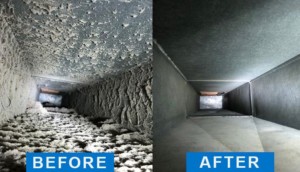
Duct cleaning involves using specialized tools to remove dust, debris, and other pollutants from the inside of your HVAC ductwork. This process helps to eliminate built-up contaminants that can be circulated throughout your home every time your system runs. Regular duct cleaning can lead to cleaner air and a more efficient HVAC system. The National Association of Air Duct Cleaners recommends having your duct system inspected once per year and cleaned as necessary.
How Filters on HVAC Systems Work
Filters play a crucial role in maintaining indoor air quality. They trap dust, pollen, and other particles as air passes through the HVAC system. Filters are rated using the Minimum Efficiency Reporting Value (MERV). Higher MERV ratings indicate that a filter can capture smaller particles. A recommended MERV rating for ideal indoor air quality is between MERV 8 to MERV 13. In addition, wider filters have a larger surface area, which allows them to collect more pollutants without needing frequent changes and without reducing system efficiency. Regularly replacing your filters is essential for optimal performance.
How UV Lights Prevent Mold in HVAC Systems
Mold growth in HVAC systems, especially in attics or crawlspaces where humidity levels can be higher, pose a significant health risk. UV lights installed in your HVAC system can help prevent mold growth on the evaporator coils which are the highest risk area for mold growth because they are constantly wet in the summer. It is a common misconception that UV lights kill mold spores in the air; however, their primary function is to inhibit mold growth on the system's components.
How Electronic Air Cleaners Work
Electronic air cleaners, such as the Air Knight, use electrostatic technology to remove pollutants from the air. These devices charge particles as they pass through the system, causing them to get caught in filters easier. HVAC systems with electronic air cleaners are more effective at removing dust, allergens, and other airborne contaminants, improving indoor air quality.
How Fresh Air Systems Can Help
There are two main types of fresh air systems for homes. The first is a supply-only ventilation system, which brings fresh air into the home through a mechanical damper connected to the HVAC system. This helps to dilute indoor pollutants. The second type is an energy recovery ventilator (ERV), which exchanges stale indoor air with fresh outdoor air. ERVs remove pollutants while also bringing in fresh air, ensuring a continuous flow of clean air.
Other Best Practices
Regular maintenance is crucial for ensuring your HVAC system provides clean air. Having tune-ups twice a year helps remove dust from critical components like blowers, evaporator coils, and condensate lines. These tune-ups ensure your system operates efficiently and maintains good indoor air quality.

Cleaning the Air in Your Home with Your HVAC System
2025-12-08 05:00:00
What is Fresh Air?
Fresh air is more than just opening a window. It involves several key aspects that contribute to a healthy and comfortable indoor environment. These include removing indoor air pollutants such as dust, allergens, and volatile organic compounds (VOCs), maintaining healthy levels of oxygen, and eliminating unpleasant odors. When your home has good fresh air circulation, you feel more energized and your living space feels more inviting.
Preventing Dust and Pollutants from Getting into Your HVAC System
Leaks in your duct system can draw dust, debris, and other pollutants into the ductwork. Studies have shown that many duct systems leak up to 30% of their total airflow. Sealing these leaks can significantly improve indoor air quality by preventing these contaminants from entering your HVAC system and circulating throughout your home. Addressing duct leaks not only improves air quality but also increases system efficiency.
Removing Pollutants in the Ducts with Duct Cleaning
Duct cleaning involves using specialized tools to remove dust, debris, and other pollutants from the inside of your HVAC ductwork. This process helps to eliminate built-up contaminants that can be circulated throughout your home every time your system runs. Regular duct cleaning can lead to cleaner air and a more efficient HVAC system. The National Association of Air Duct Cleaners recommends having your duct system inspected once per year and cleaned as necessary.
How Filters on HVAC Systems Work
Filters play a crucial role in maintaining indoor air quality. They trap dust, pollen, and other particles as air passes through the HVAC system. Filters are rated using the Minimum Efficiency Reporting Value (MERV). Higher MERV ratings indicate that a filter can capture smaller particles. A recommended MERV rating for ideal indoor air quality is between MERV 8 to MERV 13. In addition, wider filters have a larger surface area, which allows them to collect more pollutants without needing frequent changes and without reducing system efficiency. Regularly replacing your filters is essential for optimal performance.
How UV Lights Prevent Mold in HVAC Systems
Mold growth in HVAC systems, especially in attics or crawlspaces where humidity levels can be higher, pose a significant health risk. UV lights installed in your HVAC system can help prevent mold growth on the evaporator coils which are the highest risk area for mold growth because they are constantly wet in the summer. It is a common misconception that UV lights kill mold spores in the air; however, their primary function is to inhibit mold growth on the system's components.
How Electronic Air Cleaners Work
Electronic air cleaners, such as the Air Knight, use electrostatic technology to remove pollutants from the air. These devices charge particles as they pass through the system, causing them to get caught in filters easier. HVAC systems with electronic air cleaners are more effective at removing dust, allergens, and other airborne contaminants, improving indoor air quality.
How Fresh Air Systems Can Help
There are two main types of fresh air systems for homes. The first is a supply-only ventilation system, which brings fresh air into the home through a mechanical damper connected to the HVAC system. This helps to dilute indoor pollutants. The second type is an energy recovery ventilator (ERV), which exchanges stale indoor air with fresh outdoor air. ERVs remove pollutants while also bringing in fresh air, ensuring a continuous flow of clean air.
Other Best Practices
Regular maintenance is crucial for ensuring your HVAC system provides clean air. Having tune-ups twice a year helps remove dust from critical components like blowers, evaporator coils, and condensate lines. These tune-ups ensure your system operates efficiently and maintains good indoor air quality.
Cleaning the Air in Your Home with Your HVAC System
2025-12-08 05:00:00
What is Fresh Air?
Fresh air is more than just opening a window. It involves several key aspects that contribute to a healthy and comfortable indoor environment. These include removing indoor air pollutants such as dust, allergens, and volatile organic compounds (VOCs), maintaining healthy levels of oxygen, and eliminating unpleasant odors. When your home has good fresh air circulation, you feel more energized and your living space feels more inviting.
Preventing Dust and Pollutants from Getting into Your HVAC System
Leaks in your duct system can draw dust, debris, and other pollutants into the ductwork. Studies have shown that many duct systems leak up to 30% of their total airflow. Sealing these leaks can significantly improve indoor air quality by preventing these contaminants from entering your HVAC system and circulating throughout your home. Addressing duct leaks not only improves air quality but also increases system efficiency.
Removing Pollutants in the Ducts with Duct Cleaning
Duct cleaning involves using specialized tools to remove dust, debris, and other pollutants from the inside of your HVAC ductwork. This process helps to eliminate built-up contaminants that can be circulated throughout your home every time your system runs. Regular duct cleaning can lead to cleaner air and a more efficient HVAC system. The National Association of Air Duct Cleaners recommends having your duct system inspected once per year and cleaned as necessary.
How Filters on HVAC Systems Work
Filters play a crucial role in maintaining indoor air quality. They trap dust, pollen, and other particles as air passes through the HVAC system. Filters are rated using the Minimum Efficiency Reporting Value (MERV). Higher MERV ratings indicate that a filter can capture smaller particles. A recommended MERV rating for ideal indoor air quality is between MERV 8 to MERV 13. In addition, wider filters have a larger surface area, which allows them to collect more pollutants without needing frequent changes and without reducing system efficiency. Regularly replacing your filters is essential for optimal performance.
How UV Lights Prevent Mold in HVAC Systems
Mold growth in HVAC systems, especially in attics or crawlspaces where humidity levels can be higher, pose a significant health risk. UV lights installed in your HVAC system can help prevent mold growth on the evaporator coils which are the highest risk area for mold growth because they are constantly wet in the summer. It is a common misconception that UV lights kill mold spores in the air; however, their primary function is to inhibit mold growth on the system's components.
How Electronic Air Cleaners Work
Electronic air cleaners, such as the Air Knight, use electrostatic technology to remove pollutants from the air. These devices charge particles as they pass through the system, causing them to get caught in filters easier. HVAC systems with electronic air cleaners are more effective at removing dust, allergens, and other airborne contaminants, improving indoor air quality.
How Fresh Air Systems Can Help
There are two main types of fresh air systems for homes. The first is a supply-only ventilation system, which brings fresh air into the home through a mechanical damper connected to the HVAC system. This helps to dilute indoor pollutants. The second type is an energy recovery ventilator (ERV), which exchanges stale indoor air with fresh outdoor air. ERVs remove pollutants while also bringing in fresh air, ensuring a continuous flow of clean air.
Other Best Practices
Regular maintenance is crucial for ensuring your HVAC system provides clean air. Having tune-ups twice a year helps remove dust from critical components like blowers, evaporator coils, and condensate lines. These tune-ups ensure your system operates efficiently and maintains good indoor air quality.