
Why Your Attic Insulation Might Be Failing You
2025-03-24 05:13:00
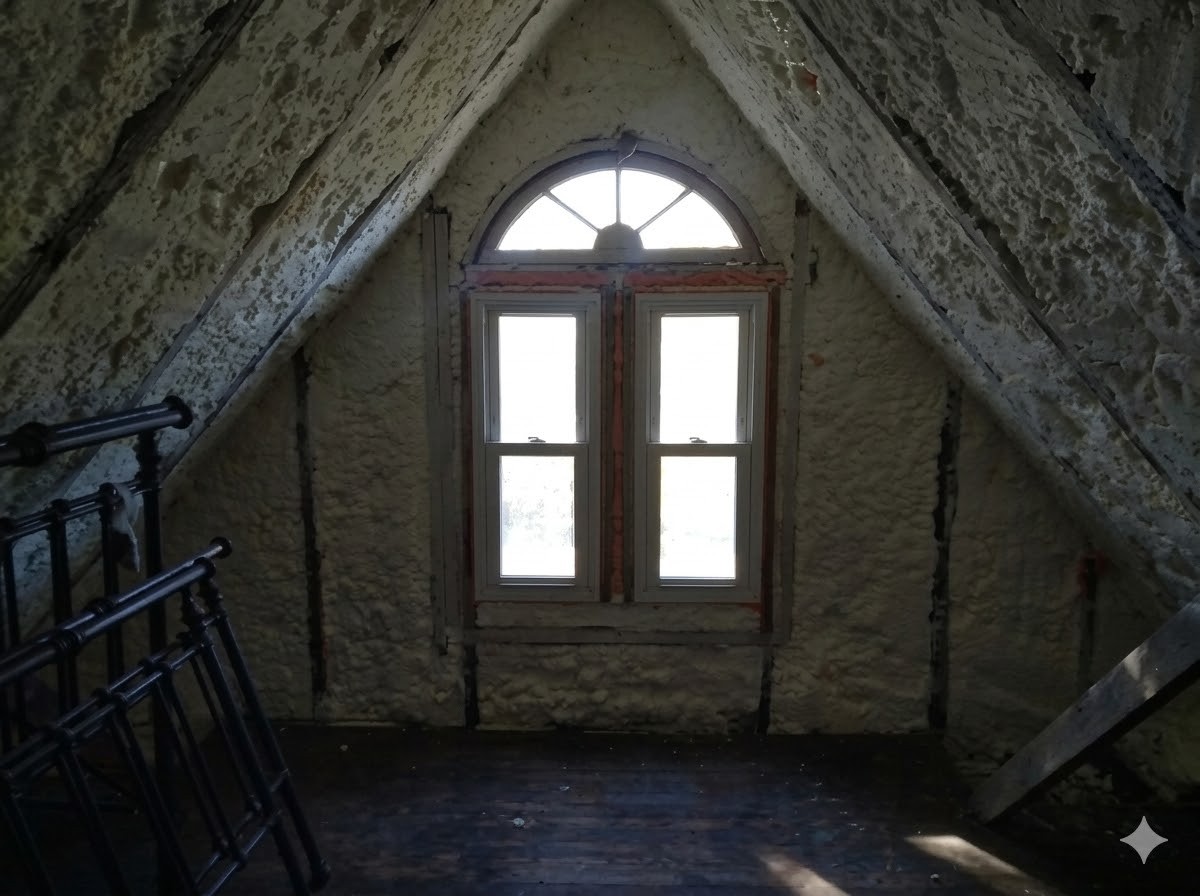
High Energy Bills and Drafty Rooms? Your Attic Could Be the Problem
If you're noticing cold rooms, temperature swings between floors, or rising energy bills, your attic insulation may not be doing its job. In homes built before 2010, attics were rarely air-sealed, leaving major leaks that allow heat to escape in the winter and hot air to seep in during the summer. In fact, 20% of all air leaks in a home occur in the attic, and if you don’t address those leaks first, simply adding more insulation is a waste of money.
The Real Problem: Your House Acts Like a Chimney
Most homeowners think drafts come from windows and doors, but in reality, the biggest energy loss happens at the top of your home. Warm air rises and escapes through attic leaks, creating a "stack effect" that pulls cold air into the lower levels. If your attic isn’t properly sealed, your home struggles to maintain even temperatures. The best way to prevent heat loss and improve comfort is by sealing those leaks before adding insulation.
Signs Your Attic Insulation Needs an Upgrade
- Skyrocketing energy bills – If your heating or cooling costs are higher than expected, your attic could be to blame.
- Uneven temperatures – Do the upstairs rooms feel too warm in summer or freezing in winter? This is a clear sign of poor attic insulation.
- Drafts and cold floors – Air leaks in the attic allow warm air to escape, pulling in cold air from the lower levels.
- Ice dams in winter – When heat escapes through the attic, it melts snow on the roof, causing it to refreeze at the edges and form damaging ice dams.
- Blackened insulation – If your attic insulation is dark or dirty, it’s not mold—it’s acting like a filter, collecting dust from air leaks.
Understanding Insulation Standards: Why Most Homes Are Below Code
Building codes have changed significantly over the years. The current insulation code for Maryland requires R-60 insulation, which is almost two feet (22 inches) of insulation in the attic. Most older homes don’t come close to that standard. Homes built before 1980 likely have only 6 inches or less—just 25% of today’s requirement. Homes built before 2000 typically have 12 inches—about 50% of what’s needed.
If your home was built before 2010, not only is the insulation inadequate, but your attic was also never air-sealed, allowing conditioned air to escape freely. Without proper air sealing, adding insulation alone won’t solve the problem.
Choosing the Right Insulation: What Works and What Doesn’t
Not all insulation performs the same way, and some options come with drawbacks homeowners should know about before making a decision.
Fiberglass Loosefill Insulation (What We Use)
Fiberglass loose-fill insulation is ideal for retrofitting older homes and is made from 30% recycled material, making it an eco-friendly option. However, it does not stop air movement, so air sealing is essential before installation. Our process includes moving existing insulation, sealing air leaks with spray foam, then blowing new fiberglass loosefill insulation to bring the attic up to R-60.
Cellulose Insulation (What We Don’t Recommend at R-60 Depths)
Cellulose is heavier than fiberglass and can put stress on drywall ceilings when installed to full code depth (22 inches). It does not stop air movement, so air sealing is still required. It is also extremely dusty and made from shredded newspaper treated with boric acid—a common pest repellent that some exterminators claim helps deter rodents, though this is debatable.
Spray Foam Insulation (Encapsulated Attics)
Spray foam insulation seals and insulates in one application. It is best for completely encapsulated attics but is not always the most cost-effective option. It can be a solution for homeowners with HVAC equipment or storage in the attic.
The Atlas Approach: Air Sealing Before Insulation
At Atlas Home Energy Solutions, we educate homeowners on why air sealing comes first. Adding insulation without sealing air leaks is like wearing a thick sweater with holes in it—it’s ineffective.
Our Process for Attic Insulation in Frederick, Maryland
- Move existing insulation – We shift the insulation to expose leaks.
- Seal air leaks – Using spray foam, we close gaps around top plates, plumbing/electrical penetrations, chimneys, and recessed lights.
- Reposition existing insulation – Once leaks are sealed, we spread the old insulation evenly.
- Install new loosefill fiberglass – We blow in enough insulation to reach R-60, covering ductwork and creating a continuous thermal barrier.
Additional Considerations for Maximum Efficiency
Protecting Ductwork
If you have ductwork running through your attic, adding two feet of insulation covers it completely, helping your HVAC system maintain heating and cooling efficiency while air travels through the ducts.
Sealing Attic Access Points
Attic pull-down stairs and hatches are major sources of heat loss. We insulate and weather-strip these areas to prevent unnecessary energy waste.
Maintaining Attic Ventilation
Ventilation doesn’t impact energy efficiency, but it is critical for attic health. We install baffles near soffit vents to prevent insulation from blocking airflow.
The Bottom Line: Attic Insulation Without Air Sealing is a Waste
Twenty percent of all air leaks occur in the attic, and they drive temperature imbalances throughout the home. Sealing these leaks before adding insulation keeps warm air inside during winter and prevents excess heat gain in summer.
If your home suffers from uneven temperatures, drafty rooms, or high energy bills, Atlas Home Energy Solutions can help. Our air-sealing-first approach ensures you get the best possible performance from your insulation upgrade.
Schedule a Home Energy Audit Today
Contact Atlas Home Energy Solutions to schedule an energy audit and discover how attic insulation can improve your home’s comfort, efficiency, and energy savings.
Call us at 301-364-5055
Visit www.atlashomeenergy.com
Make your home more comfortable, efficient, and energy-smart today!

Why Your Attic Insulation Might Be Failing You
2025-03-24 05:13:00
High Energy Bills and Drafty Rooms? Your Attic Could Be the Problem
If you're noticing cold rooms, temperature swings between floors, or rising energy bills, your attic insulation may not be doing its job. In homes built before 2010, attics were rarely air-sealed, leaving major leaks that allow heat to escape in the winter and hot air to seep in during the summer. In fact, 20% of all air leaks in a home occur in the attic, and if you don’t address those leaks first, simply adding more insulation is a waste of money.
The Real Problem: Your House Acts Like a Chimney
Most homeowners think drafts come from windows and doors, but in reality, the biggest energy loss happens at the top of your home. Warm air rises and escapes through attic leaks, creating a "stack effect" that pulls cold air into the lower levels. If your attic isn’t properly sealed, your home struggles to maintain even temperatures. The best way to prevent heat loss and improve comfort is by sealing those leaks before adding insulation.
Signs Your Attic Insulation Needs an Upgrade
- Skyrocketing energy bills – If your heating or cooling costs are higher than expected, your attic could be to blame.
- Uneven temperatures – Do the upstairs rooms feel too warm in summer or freezing in winter? This is a clear sign of poor attic insulation.
- Drafts and cold floors – Air leaks in the attic allow warm air to escape, pulling in cold air from the lower levels.
- Ice dams in winter – When heat escapes through the attic, it melts snow on the roof, causing it to refreeze at the edges and form damaging ice dams.
- Blackened insulation – If your attic insulation is dark or dirty, it’s not mold—it’s acting like a filter, collecting dust from air leaks.
Understanding Insulation Standards: Why Most Homes Are Below Code
Building codes have changed significantly over the years. The current insulation code for Maryland requires R-60 insulation, which is almost two feet (22 inches) of insulation in the attic. Most older homes don’t come close to that standard. Homes built before 1980 likely have only 6 inches or less—just 25% of today’s requirement. Homes built before 2000 typically have 12 inches—about 50% of what’s needed.
If your home was built before 2010, not only is the insulation inadequate, but your attic was also never air-sealed, allowing conditioned air to escape freely. Without proper air sealing, adding insulation alone won’t solve the problem.
Choosing the Right Insulation: What Works and What Doesn’t
Not all insulation performs the same way, and some options come with drawbacks homeowners should know about before making a decision.
Fiberglass Loosefill Insulation (What We Use)
Fiberglass loose-fill insulation is ideal for retrofitting older homes and is made from 30% recycled material, making it an eco-friendly option. However, it does not stop air movement, so air sealing is essential before installation. Our process includes moving existing insulation, sealing air leaks with spray foam, then blowing new fiberglass loosefill insulation to bring the attic up to R-60.
Cellulose Insulation (What We Don’t Recommend at R-60 Depths)
Cellulose is heavier than fiberglass and can put stress on drywall ceilings when installed to full code depth (22 inches). It does not stop air movement, so air sealing is still required. It is also extremely dusty and made from shredded newspaper treated with boric acid—a common pest repellent that some exterminators claim helps deter rodents, though this is debatable.
Spray Foam Insulation (Encapsulated Attics)
Spray foam insulation seals and insulates in one application. It is best for completely encapsulated attics but is not always the most cost-effective option. It can be a solution for homeowners with HVAC equipment or storage in the attic.
The Atlas Approach: Air Sealing Before Insulation
At Atlas Home Energy Solutions, we educate homeowners on why air sealing comes first. Adding insulation without sealing air leaks is like wearing a thick sweater with holes in it—it’s ineffective.
Our Process for Attic Insulation in Frederick, Maryland
- Move existing insulation – We shift the insulation to expose leaks.
- Seal air leaks – Using spray foam, we close gaps around top plates, plumbing/electrical penetrations, chimneys, and recessed lights.
- Reposition existing insulation – Once leaks are sealed, we spread the old insulation evenly.
- Install new loosefill fiberglass – We blow in enough insulation to reach R-60, covering ductwork and creating a continuous thermal barrier.
Additional Considerations for Maximum Efficiency
Protecting Ductwork
If you have ductwork running through your attic, adding two feet of insulation covers it completely, helping your HVAC system maintain heating and cooling efficiency while air travels through the ducts.
Sealing Attic Access Points
Attic pull-down stairs and hatches are major sources of heat loss. We insulate and weather-strip these areas to prevent unnecessary energy waste.
Maintaining Attic Ventilation
Ventilation doesn’t impact energy efficiency, but it is critical for attic health. We install baffles near soffit vents to prevent insulation from blocking airflow.
The Bottom Line: Attic Insulation Without Air Sealing is a Waste
Twenty percent of all air leaks occur in the attic, and they drive temperature imbalances throughout the home. Sealing these leaks before adding insulation keeps warm air inside during winter and prevents excess heat gain in summer.
If your home suffers from uneven temperatures, drafty rooms, or high energy bills, Atlas Home Energy Solutions can help. Our air-sealing-first approach ensures you get the best possible performance from your insulation upgrade.
Schedule a Home Energy Audit Today
Contact Atlas Home Energy Solutions to schedule an energy audit and discover how attic insulation can improve your home’s comfort, efficiency, and energy savings.
Call us at 301-364-5055
Visit www.atlashomeenergy.com
Make your home more comfortable, efficient, and energy-smart today!
Why Your Attic Insulation Might Be Failing You
2025-03-24 05:13:00
High Energy Bills and Drafty Rooms? Your Attic Could Be the Problem
If you're noticing cold rooms, temperature swings between floors, or rising energy bills, your attic insulation may not be doing its job. In homes built before 2010, attics were rarely air-sealed, leaving major leaks that allow heat to escape in the winter and hot air to seep in during the summer. In fact, 20% of all air leaks in a home occur in the attic, and if you don’t address those leaks first, simply adding more insulation is a waste of money.
The Real Problem: Your House Acts Like a Chimney
Most homeowners think drafts come from windows and doors, but in reality, the biggest energy loss happens at the top of your home. Warm air rises and escapes through attic leaks, creating a "stack effect" that pulls cold air into the lower levels. If your attic isn’t properly sealed, your home struggles to maintain even temperatures. The best way to prevent heat loss and improve comfort is by sealing those leaks before adding insulation.
Signs Your Attic Insulation Needs an Upgrade
- Skyrocketing energy bills – If your heating or cooling costs are higher than expected, your attic could be to blame.
- Uneven temperatures – Do the upstairs rooms feel too warm in summer or freezing in winter? This is a clear sign of poor attic insulation.
- Drafts and cold floors – Air leaks in the attic allow warm air to escape, pulling in cold air from the lower levels.
- Ice dams in winter – When heat escapes through the attic, it melts snow on the roof, causing it to refreeze at the edges and form damaging ice dams.
- Blackened insulation – If your attic insulation is dark or dirty, it’s not mold—it’s acting like a filter, collecting dust from air leaks.
Understanding Insulation Standards: Why Most Homes Are Below Code
Building codes have changed significantly over the years. The current insulation code for Maryland requires R-60 insulation, which is almost two feet (22 inches) of insulation in the attic. Most older homes don’t come close to that standard. Homes built before 1980 likely have only 6 inches or less—just 25% of today’s requirement. Homes built before 2000 typically have 12 inches—about 50% of what’s needed.
If your home was built before 2010, not only is the insulation inadequate, but your attic was also never air-sealed, allowing conditioned air to escape freely. Without proper air sealing, adding insulation alone won’t solve the problem.
Choosing the Right Insulation: What Works and What Doesn’t
Not all insulation performs the same way, and some options come with drawbacks homeowners should know about before making a decision.
Fiberglass Loosefill Insulation (What We Use)
Fiberglass loose-fill insulation is ideal for retrofitting older homes and is made from 30% recycled material, making it an eco-friendly option. However, it does not stop air movement, so air sealing is essential before installation. Our process includes moving existing insulation, sealing air leaks with spray foam, then blowing new fiberglass loosefill insulation to bring the attic up to R-60.
Cellulose Insulation (What We Don’t Recommend at R-60 Depths)
Cellulose is heavier than fiberglass and can put stress on drywall ceilings when installed to full code depth (22 inches). It does not stop air movement, so air sealing is still required. It is also extremely dusty and made from shredded newspaper treated with boric acid—a common pest repellent that some exterminators claim helps deter rodents, though this is debatable.
Spray Foam Insulation (Encapsulated Attics)
Spray foam insulation seals and insulates in one application. It is best for completely encapsulated attics but is not always the most cost-effective option. It can be a solution for homeowners with HVAC equipment or storage in the attic.
The Atlas Approach: Air Sealing Before Insulation
At Atlas Home Energy Solutions, we educate homeowners on why air sealing comes first. Adding insulation without sealing air leaks is like wearing a thick sweater with holes in it—it’s ineffective.
Our Process for Attic Insulation in Frederick, Maryland
- Move existing insulation – We shift the insulation to expose leaks.
- Seal air leaks – Using spray foam, we close gaps around top plates, plumbing/electrical penetrations, chimneys, and recessed lights.
- Reposition existing insulation – Once leaks are sealed, we spread the old insulation evenly.
- Install new loosefill fiberglass – We blow in enough insulation to reach R-60, covering ductwork and creating a continuous thermal barrier.
Additional Considerations for Maximum Efficiency
Protecting Ductwork
If you have ductwork running through your attic, adding two feet of insulation covers it completely, helping your HVAC system maintain heating and cooling efficiency while air travels through the ducts.
Sealing Attic Access Points
Attic pull-down stairs and hatches are major sources of heat loss. We insulate and weather-strip these areas to prevent unnecessary energy waste.
Maintaining Attic Ventilation
Ventilation doesn’t impact energy efficiency, but it is critical for attic health. We install baffles near soffit vents to prevent insulation from blocking airflow.
The Bottom Line: Attic Insulation Without Air Sealing is a Waste
Twenty percent of all air leaks occur in the attic, and they drive temperature imbalances throughout the home. Sealing these leaks before adding insulation keeps warm air inside during winter and prevents excess heat gain in summer.
If your home suffers from uneven temperatures, drafty rooms, or high energy bills, Atlas Home Energy Solutions can help. Our air-sealing-first approach ensures you get the best possible performance from your insulation upgrade.
Schedule a Home Energy Audit Today
Contact Atlas Home Energy Solutions to schedule an energy audit and discover how attic insulation can improve your home’s comfort, efficiency, and energy savings.
Call us at 301-364-5055
Visit www.atlashomeenergy.com
Make your home more comfortable, efficient, and energy-smart today!