
Why is My Electric Bill So High
2026-02-27
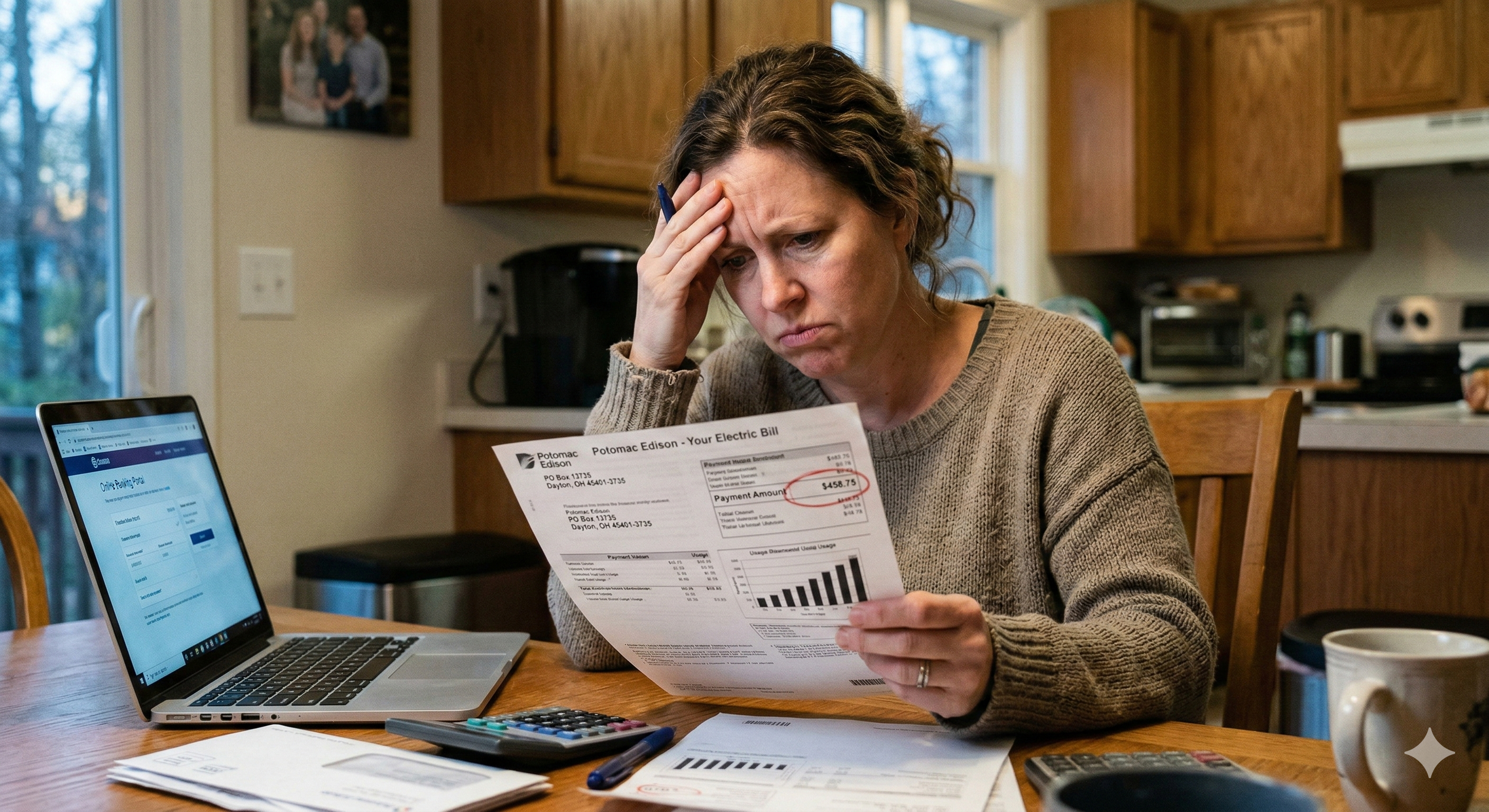
If you opened your winter electric bill this year and are wondering why the amount seems higher than ever, you’re not alone. This year, many homeowners have been trying to understand why their bill is so high and want to know what they can do about it. Here at Atlas Home Energy Solutions, we hear this question all the time. While there are a few common culprits within your home that contribute to high energy use, one major factor is simply the rising cost of electricity.
The Rising Cost of Electricity
Just looking at your bill shows that the cost for electricity is split between delivery charges and supply charges.
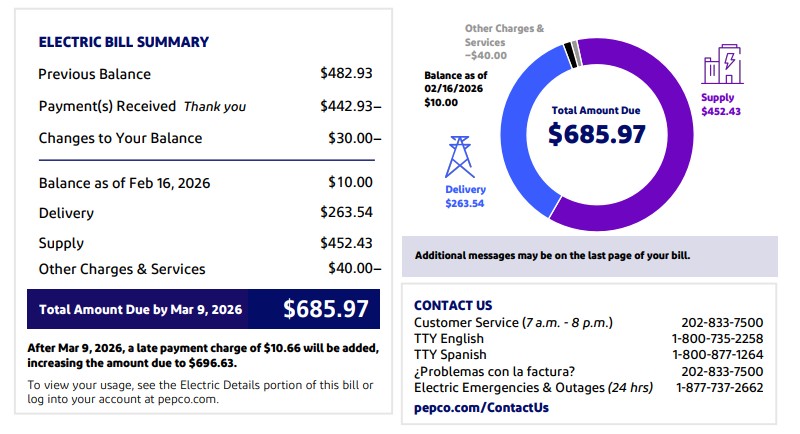
Delivery charges are affected by infrastructure maintenance and upgrades that are being driven by new demand for electricity from things like data center growth and electric vehicle adoption. According to Maryland’s Office of People’s Counsel, the delivery rates have increased 63% since 2020 and supply costs, the cost of generating the power, are up 64% over the same time period! So even if the amount of electricity that you use was unchanged from 2020 until today, your old $250 average electric bill would be $410 today.
So what can you do about it?
Here at Atlas, we can’t do much about the cost per kWh that the utility charges, but we can help you upgrade your house to lower the amount of electricity you need to stay comfortable in the winter.
Understand Your Energy Usage Better
If you want to pinpoint exactly where your energy and money are going, these steps can help you get a clearer picture.
Have a Professional Home Energy Audit
A Home Energy Audit involves a qualified professional performing a thorough assessment of your home's energy performance. During the audit, we use tools like a blower door and thermal camera to identify exactly where your home is losing the most energy through air leaks and missing insulation. This process provides you with a customized list of the most cost-effective ways to reduce your energy usage, ensuring you invest in the right upgrades for your specific home.
Monitor Your Energy Usage
If you’ve already taken steps to curb your energy usage or the common culprits of high bills don’t seem to quite fit your situation, we recommend installing an Emporia Energy Monitor. These devices can monitor your energy usage per breaker in your electric panel, up to 16 total breakers.
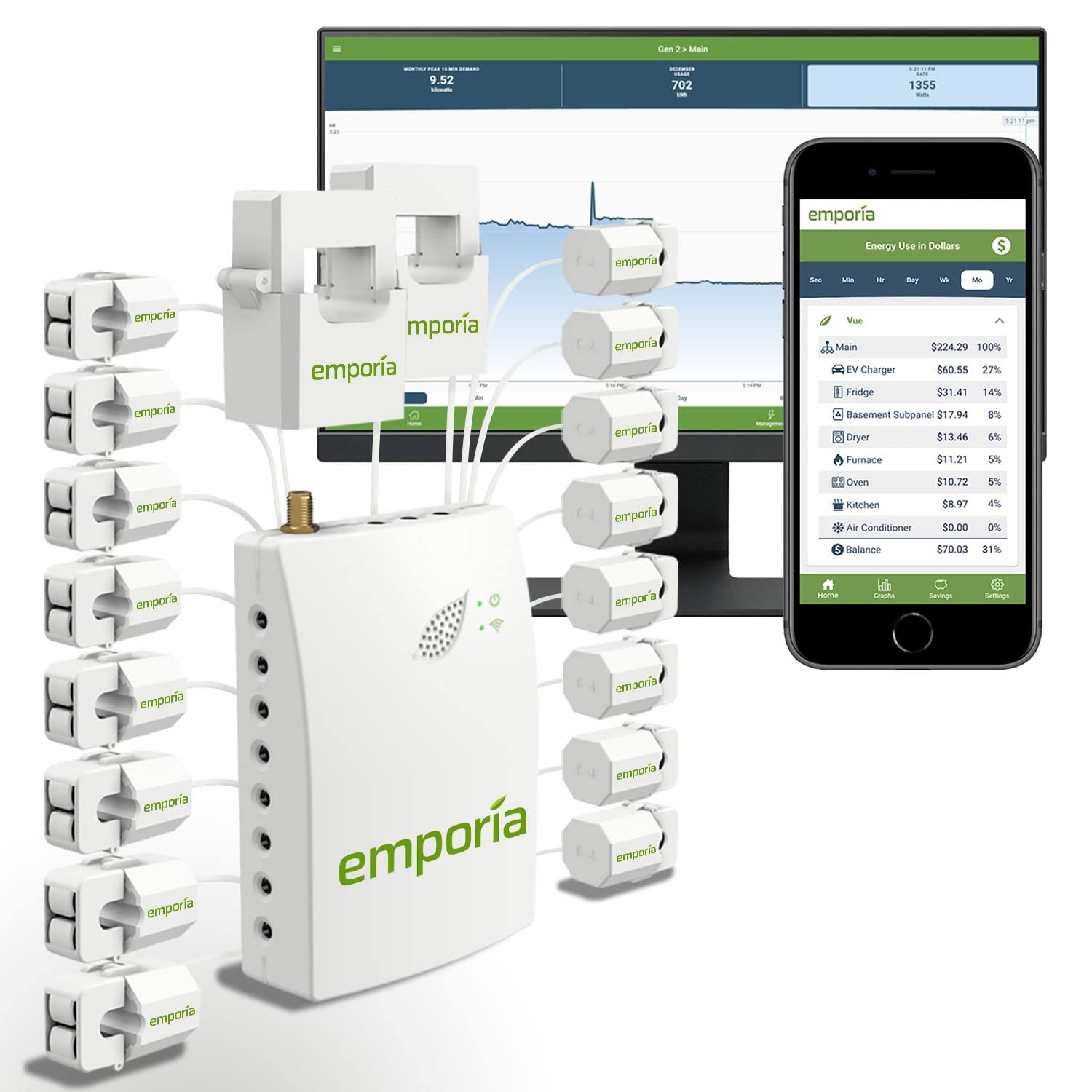
We once had a customer with a $2000 a month utility bill who had two geothermal heat pumps in their house. Turns out the compressors for those units had failed and they were running in auxiliary heat 24x7. After installing the Emporia it only took about 15 minutes to identify this problem and start working on a solution. For more information on what they can do or how Emporia Energy Monitors work check out this article.
The Common Culprits
For a typical Maryland home in the winter months, 60 to 80% of the total electricity bill is from heating usage. So for most homes, reducing heating demand is the easiest way to reduce energy usage. Here are the most common factors that drive up your heating costs:
Auxiliary or Emergency Heat for Electric Heat Pumps
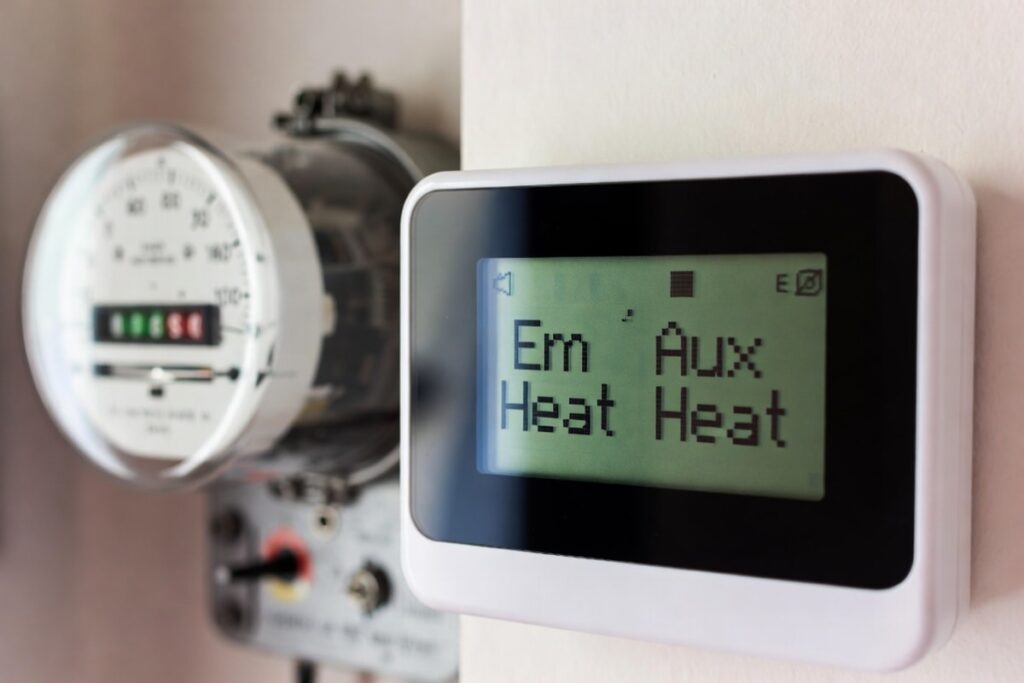
A heat pump is an extremely efficient way to heat your home, but when temperatures drop, it can rely on a backup heating source known as "auxiliary" or "emergency" heat, which is much less efficient and uses a lot more electricity. The biggest issue with this is that the auxiliary heat mode is often enough to fully heat your home, so many people who have old or malfunctioning HVAC equipment may be running in 100% auxiliary heat mode and not know it. There are many other causes for your system excessively using the auxiliary heat during the winter months and you can learn about them here. But the best thing you can do if you suspect the HVAC as a cause of your high bill is to have your HVAC inspected and tuned up to reduce how much auxiliary heat you use.
High Indoor Set Point Temperatures
Your indoor thermostat setting has a direct impact on your energy consumption. The recommended indoor air temperature is 70 degrees in the wintertime, with a set back to 65 degrees when no one is home or while people are sleeping. Heating the house at higher temperatures will cost more energy AND will push the system to run in auxiliary heat mode more frequently. If you have a high bill or see excessive auxiliary heat usage even after you have had your HVAC system inspected, consider lowering your heating set points.
Low Insulation Levels and Air Leaks
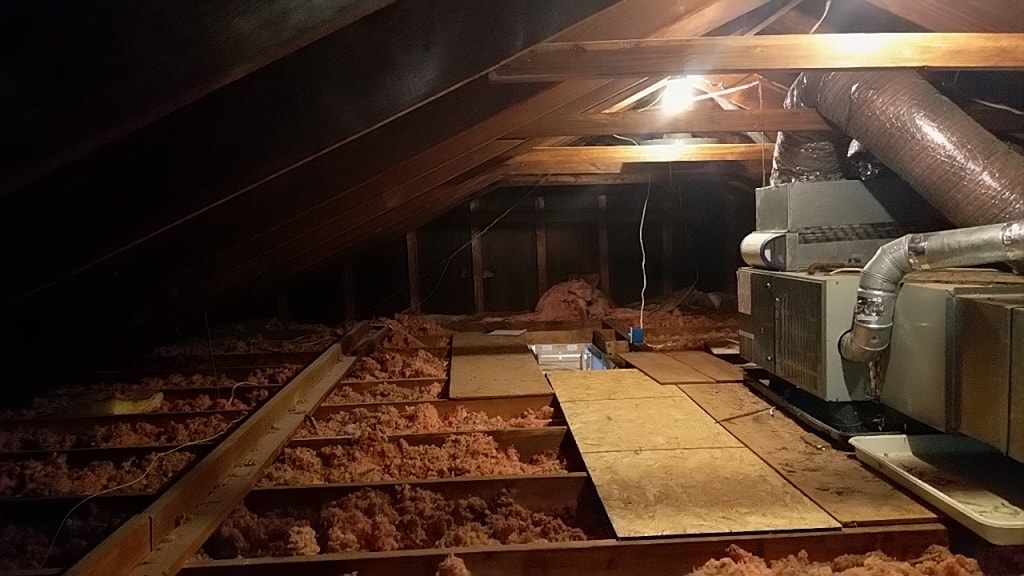
The more heat that is lost from your house, the more your heat pump needs to run to keep a comfortable temperature. Air leaks and insulation are important throughout the home, but typically the most impactful and easiest area to insulate is your attic. Current code for attic insulation is R60 or almost 2ft of insulation. You should take a peek in your attic to find out how much you have or if you're not comfortable going up there - have a Home Energy Audit to see if your attic is under insulated. The attic isn’t the only area of your home that loses heat or allows cold air in the winter, you should also evaluate the basement band joist, cantilevers, garage ceilings, and crawlspaces if your home has these features. Making sure that your home is insulated properly and sealed to prevent air loss throughout the house will reduce the demand on your heating system.
Next Steps
If you decide to do some upgrades to your home to reduce your energy usage, make sure you do a Home Energy Audit to qualify for rebates for these upgrades up to $10k.
Ready to take control of your energy bill? Contact Atlas Home Energy Solutions today to schedule your Home Energy Audit and start saving! Call us at (301) 364-5055 or visit our website to learn more.

Why is My Electric Bill So High
2026-02-27
If you opened your winter electric bill this year and are wondering why the amount seems higher than ever, you’re not alone. This year, many homeowners have been trying to understand why their bill is so high and want to know what they can do about it. Here at Atlas Home Energy Solutions, we hear this question all the time. While there are a few common culprits within your home that contribute to high energy use, one major factor is simply the rising cost of electricity.
The Rising Cost of Electricity
Just looking at your bill shows that the cost for electricity is split between delivery charges and supply charges.
Delivery charges are affected by infrastructure maintenance and upgrades that are being driven by new demand for electricity from things like data center growth and electric vehicle adoption. According to Maryland’s Office of People’s Counsel, the delivery rates have increased 63% since 2020 and supply costs, the cost of generating the power, are up 64% over the same time period! So even if the amount of electricity that you use was unchanged from 2020 until today, your old $250 average electric bill would be $410 today.
So what can you do about it?
Here at Atlas, we can’t do much about the cost per kWh that the utility charges, but we can help you upgrade your house to lower the amount of electricity you need to stay comfortable in the winter.
Understand Your Energy Usage Better
If you want to pinpoint exactly where your energy and money are going, these steps can help you get a clearer picture.
Have a Professional Home Energy Audit
A Home Energy Audit involves a qualified professional performing a thorough assessment of your home's energy performance. During the audit, we use tools like a blower door and thermal camera to identify exactly where your home is losing the most energy through air leaks and missing insulation. This process provides you with a customized list of the most cost-effective ways to reduce your energy usage, ensuring you invest in the right upgrades for your specific home.
Monitor Your Energy Usage
If you’ve already taken steps to curb your energy usage or the common culprits of high bills don’t seem to quite fit your situation, we recommend installing an Emporia Energy Monitor. These devices can monitor your energy usage per breaker in your electric panel, up to 16 total breakers.
We once had a customer with a $2000 a month utility bill who had two geothermal heat pumps in their house. Turns out the compressors for those units had failed and they were running in auxiliary heat 24x7. After installing the Emporia it only took about 15 minutes to identify this problem and start working on a solution. For more information on what they can do or how Emporia Energy Monitors work check out this article.
The Common Culprits
For a typical Maryland home in the winter months, 60 to 80% of the total electricity bill is from heating usage. So for most homes, reducing heating demand is the easiest way to reduce energy usage. Here are the most common factors that drive up your heating costs:
Auxiliary or Emergency Heat for Electric Heat Pumps
A heat pump is an extremely efficient way to heat your home, but when temperatures drop, it can rely on a backup heating source known as "auxiliary" or "emergency" heat, which is much less efficient and uses a lot more electricity. The biggest issue with this is that the auxiliary heat mode is often enough to fully heat your home, so many people who have old or malfunctioning HVAC equipment may be running in 100% auxiliary heat mode and not know it. There are many other causes for your system excessively using the auxiliary heat during the winter months and you can learn about them here. But the best thing you can do if you suspect the HVAC as a cause of your high bill is to have your HVAC inspected and tuned up to reduce how much auxiliary heat you use.
High Indoor Set Point Temperatures
Your indoor thermostat setting has a direct impact on your energy consumption. The recommended indoor air temperature is 70 degrees in the wintertime, with a set back to 65 degrees when no one is home or while people are sleeping. Heating the house at higher temperatures will cost more energy AND will push the system to run in auxiliary heat mode more frequently. If you have a high bill or see excessive auxiliary heat usage even after you have had your HVAC system inspected, consider lowering your heating set points.
Low Insulation Levels and Air Leaks
The more heat that is lost from your house, the more your heat pump needs to run to keep a comfortable temperature. Air leaks and insulation are important throughout the home, but typically the most impactful and easiest area to insulate is your attic. Current code for attic insulation is R60 or almost 2ft of insulation. You should take a peek in your attic to find out how much you have or if you're not comfortable going up there - have a Home Energy Audit to see if your attic is under insulated. The attic isn’t the only area of your home that loses heat or allows cold air in the winter, you should also evaluate the basement band joist, cantilevers, garage ceilings, and crawlspaces if your home has these features. Making sure that your home is insulated properly and sealed to prevent air loss throughout the house will reduce the demand on your heating system.
Next Steps
If you decide to do some upgrades to your home to reduce your energy usage, make sure you do a Home Energy Audit to qualify for rebates for these upgrades up to $10k.
Ready to take control of your energy bill? Contact Atlas Home Energy Solutions today to schedule your Home Energy Audit and start saving! Call us at (301) 364-5055 or visit our website to learn more.
Why is My Electric Bill So High
2026-02-27
If you opened your winter electric bill this year and are wondering why the amount seems higher than ever, you’re not alone. This year, many homeowners have been trying to understand why their bill is so high and want to know what they can do about it. Here at Atlas Home Energy Solutions, we hear this question all the time. While there are a few common culprits within your home that contribute to high energy use, one major factor is simply the rising cost of electricity.
The Rising Cost of Electricity
Just looking at your bill shows that the cost for electricity is split between delivery charges and supply charges.
Delivery charges are affected by infrastructure maintenance and upgrades that are being driven by new demand for electricity from things like data center growth and electric vehicle adoption. According to Maryland’s Office of People’s Counsel, the delivery rates have increased 63% since 2020 and supply costs, the cost of generating the power, are up 64% over the same time period! So even if the amount of electricity that you use was unchanged from 2020 until today, your old $250 average electric bill would be $410 today.
So what can you do about it?
Here at Atlas, we can’t do much about the cost per kWh that the utility charges, but we can help you upgrade your house to lower the amount of electricity you need to stay comfortable in the winter.
Understand Your Energy Usage Better
If you want to pinpoint exactly where your energy and money are going, these steps can help you get a clearer picture.
Have a Professional Home Energy Audit
A Home Energy Audit involves a qualified professional performing a thorough assessment of your home's energy performance. During the audit, we use tools like a blower door and thermal camera to identify exactly where your home is losing the most energy through air leaks and missing insulation. This process provides you with a customized list of the most cost-effective ways to reduce your energy usage, ensuring you invest in the right upgrades for your specific home.
Monitor Your Energy Usage
If you’ve already taken steps to curb your energy usage or the common culprits of high bills don’t seem to quite fit your situation, we recommend installing an Emporia Energy Monitor. These devices can monitor your energy usage per breaker in your electric panel, up to 16 total breakers.
We once had a customer with a $2000 a month utility bill who had two geothermal heat pumps in their house. Turns out the compressors for those units had failed and they were running in auxiliary heat 24x7. After installing the Emporia it only took about 15 minutes to identify this problem and start working on a solution. For more information on what they can do or how Emporia Energy Monitors work check out this article.
The Common Culprits
For a typical Maryland home in the winter months, 60 to 80% of the total electricity bill is from heating usage. So for most homes, reducing heating demand is the easiest way to reduce energy usage. Here are the most common factors that drive up your heating costs:
Auxiliary or Emergency Heat for Electric Heat Pumps
A heat pump is an extremely efficient way to heat your home, but when temperatures drop, it can rely on a backup heating source known as "auxiliary" or "emergency" heat, which is much less efficient and uses a lot more electricity. The biggest issue with this is that the auxiliary heat mode is often enough to fully heat your home, so many people who have old or malfunctioning HVAC equipment may be running in 100% auxiliary heat mode and not know it. There are many other causes for your system excessively using the auxiliary heat during the winter months and you can learn about them here. But the best thing you can do if you suspect the HVAC as a cause of your high bill is to have your HVAC inspected and tuned up to reduce how much auxiliary heat you use.
High Indoor Set Point Temperatures
Your indoor thermostat setting has a direct impact on your energy consumption. The recommended indoor air temperature is 70 degrees in the wintertime, with a set back to 65 degrees when no one is home or while people are sleeping. Heating the house at higher temperatures will cost more energy AND will push the system to run in auxiliary heat mode more frequently. If you have a high bill or see excessive auxiliary heat usage even after you have had your HVAC system inspected, consider lowering your heating set points.
Low Insulation Levels and Air Leaks
The more heat that is lost from your house, the more your heat pump needs to run to keep a comfortable temperature. Air leaks and insulation are important throughout the home, but typically the most impactful and easiest area to insulate is your attic. Current code for attic insulation is R60 or almost 2ft of insulation. You should take a peek in your attic to find out how much you have or if you're not comfortable going up there - have a Home Energy Audit to see if your attic is under insulated. The attic isn’t the only area of your home that loses heat or allows cold air in the winter, you should also evaluate the basement band joist, cantilevers, garage ceilings, and crawlspaces if your home has these features. Making sure that your home is insulated properly and sealed to prevent air loss throughout the house will reduce the demand on your heating system.
Next Steps
If you decide to do some upgrades to your home to reduce your energy usage, make sure you do a Home Energy Audit to qualify for rebates for these upgrades up to $10k.
Ready to take control of your energy bill? Contact Atlas Home Energy Solutions today to schedule your Home Energy Audit and start saving! Call us at (301) 364-5055 or visit our website to learn more.